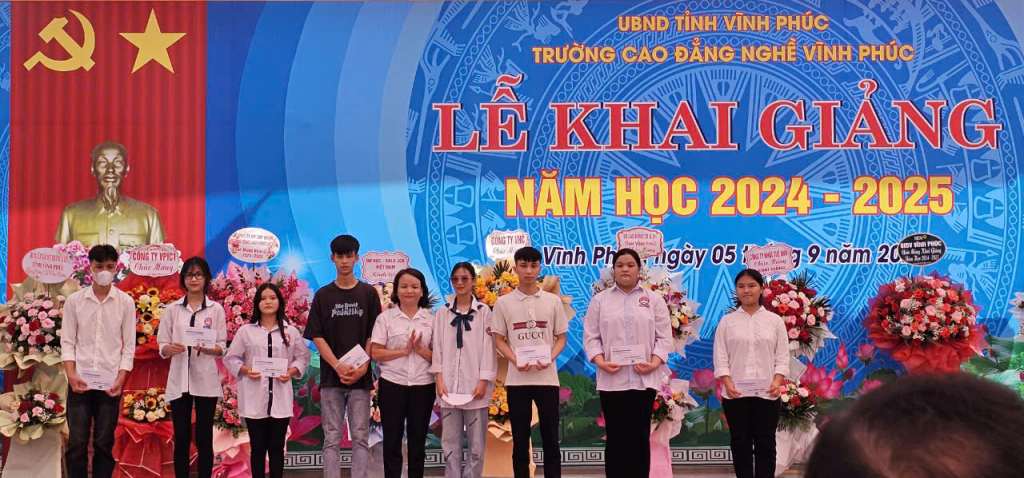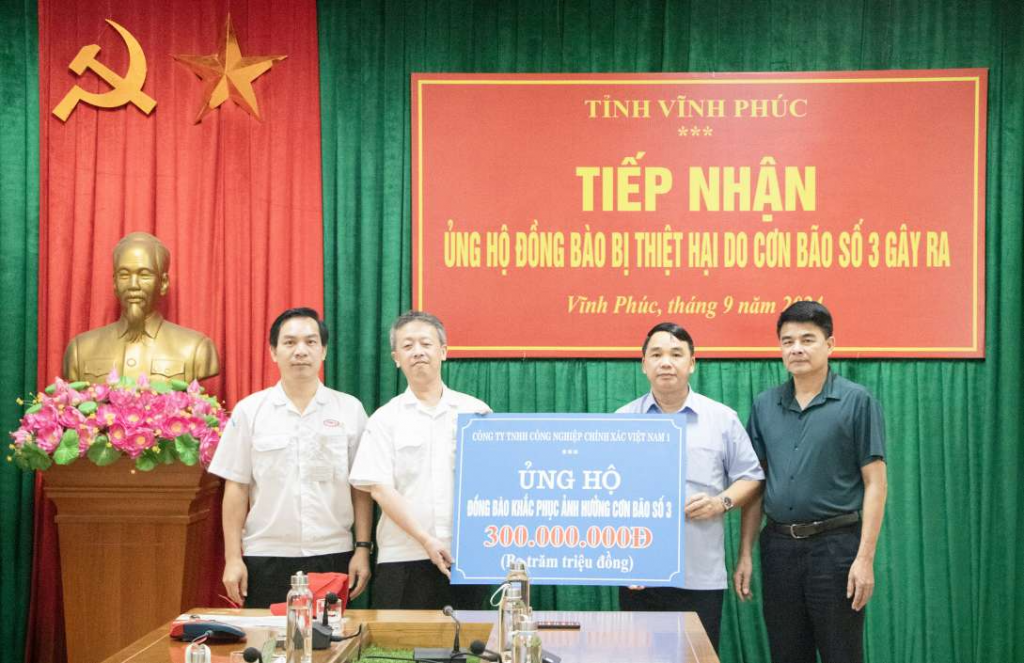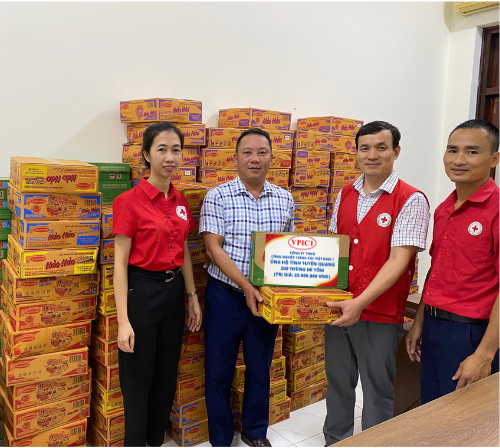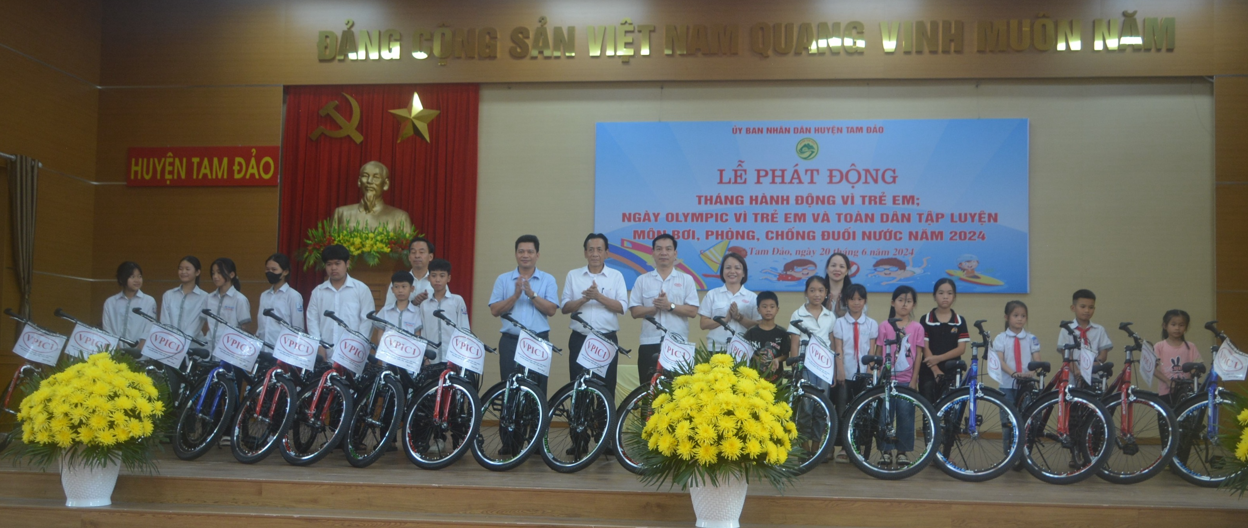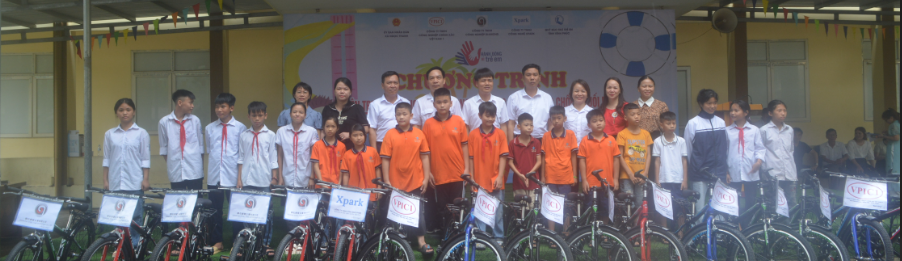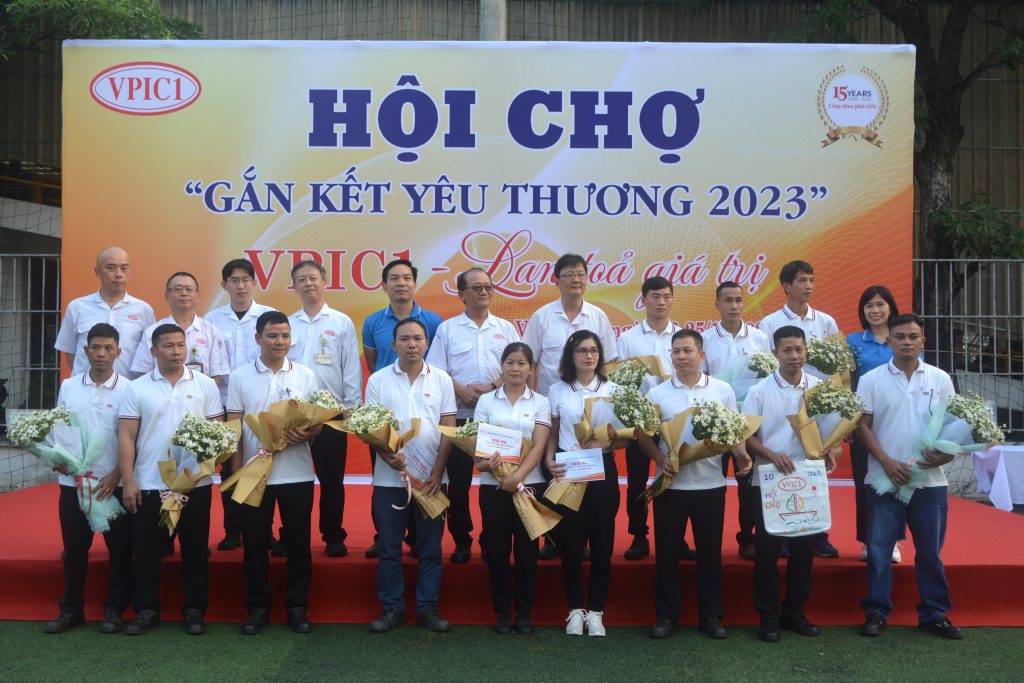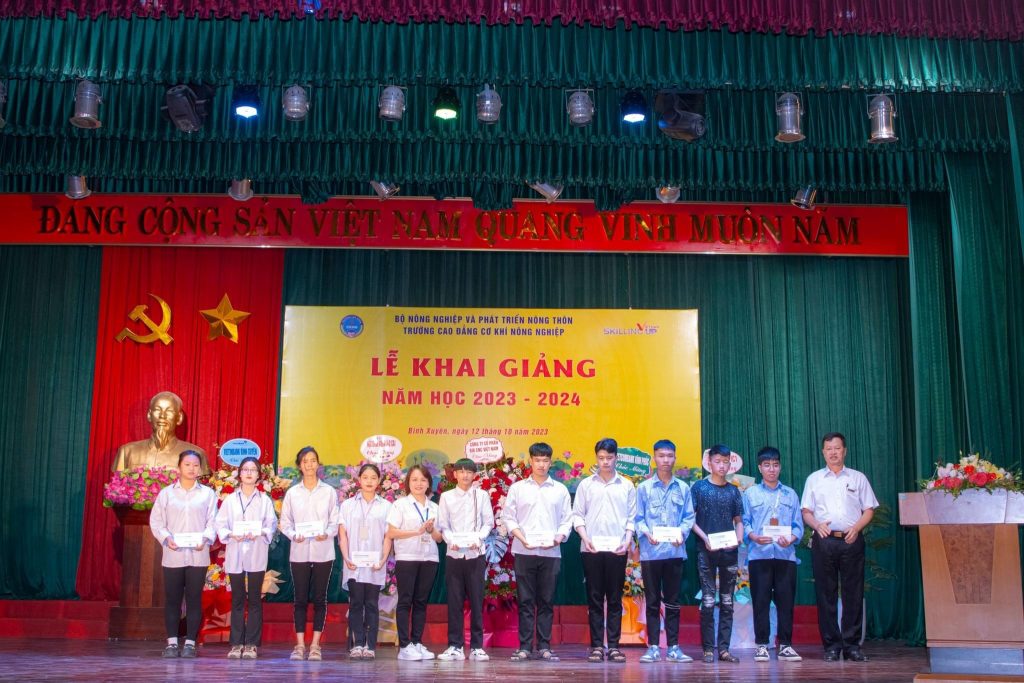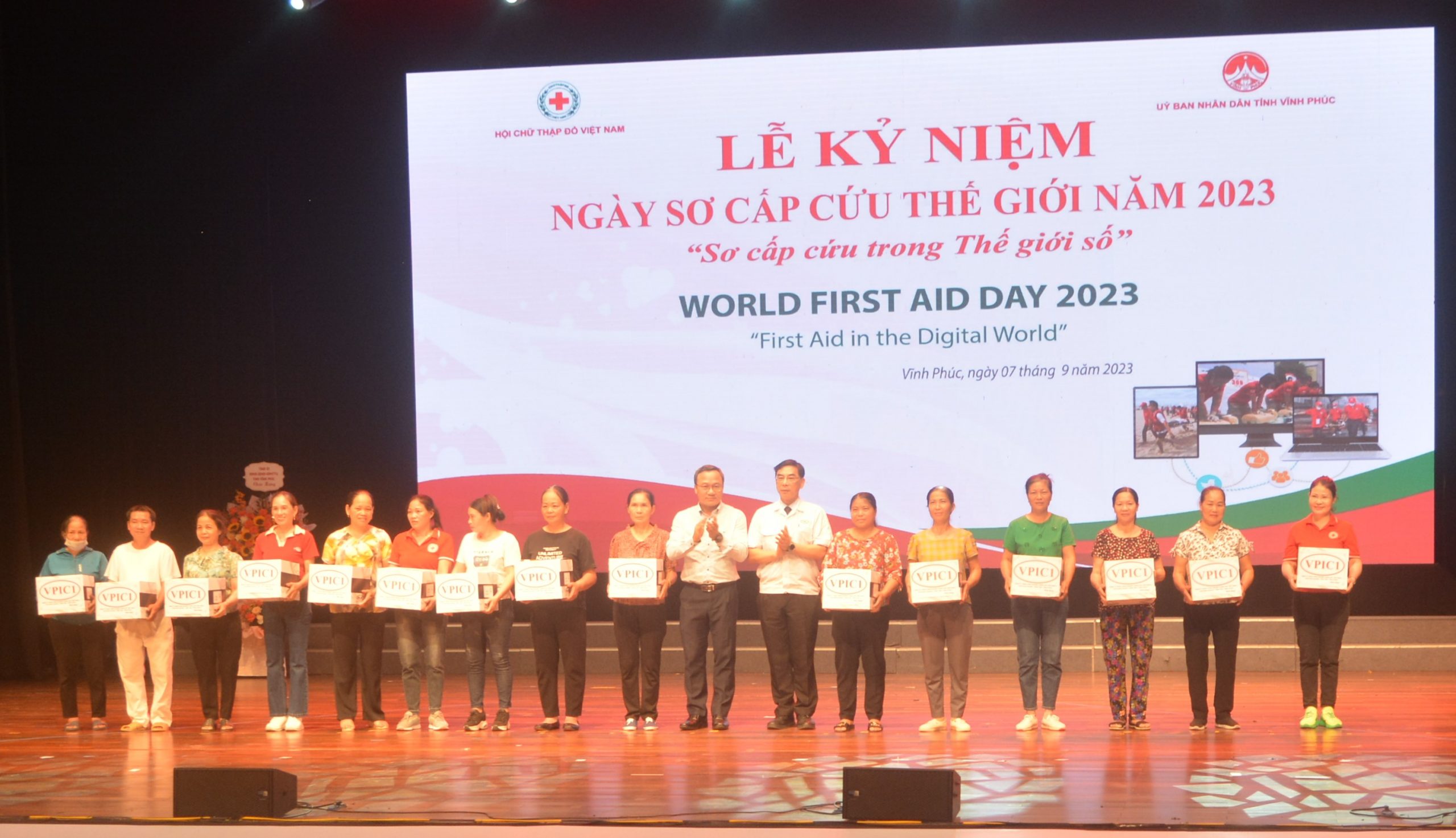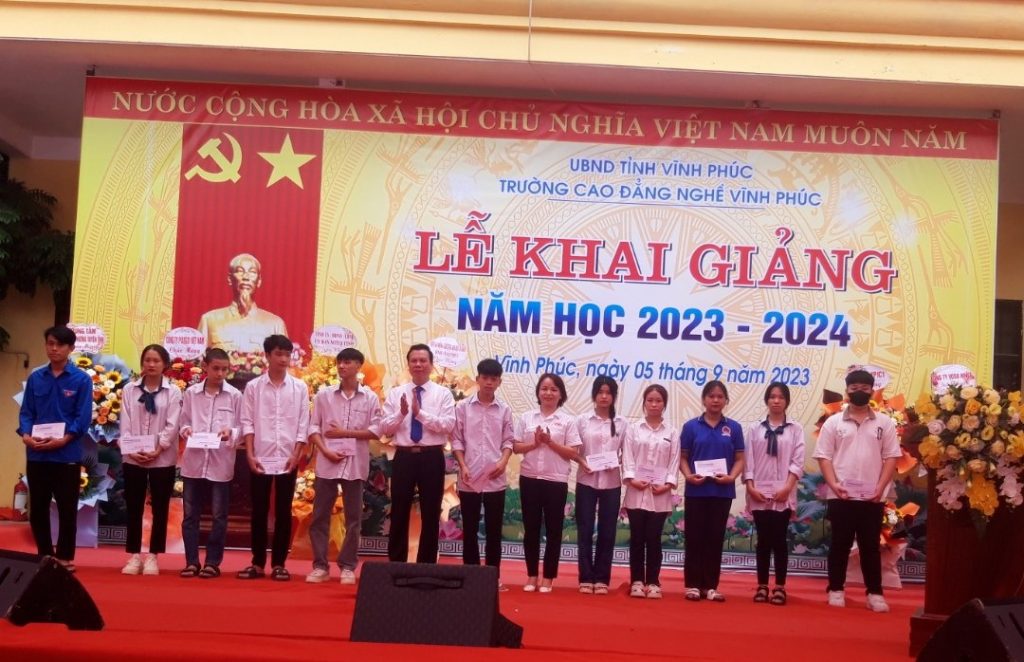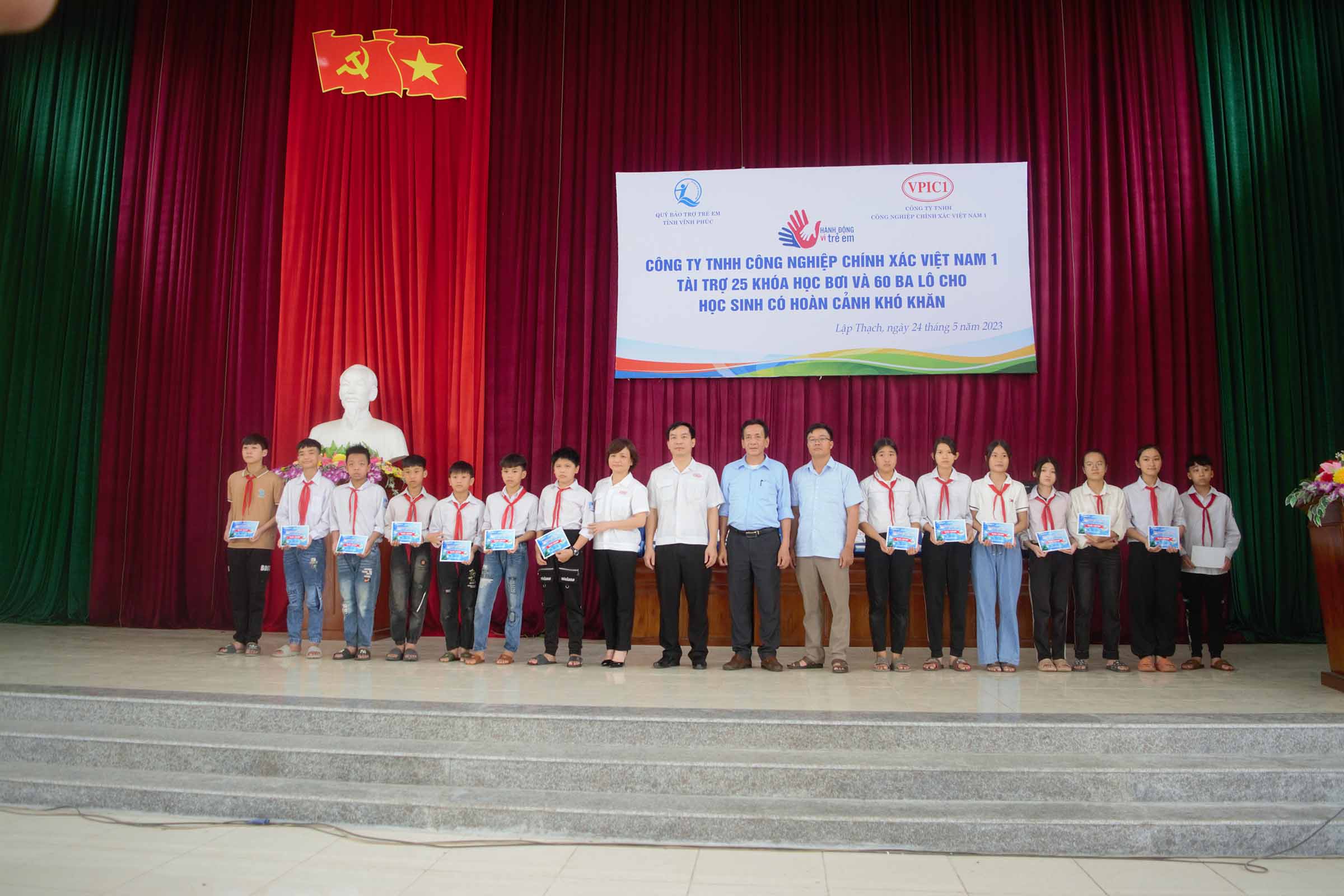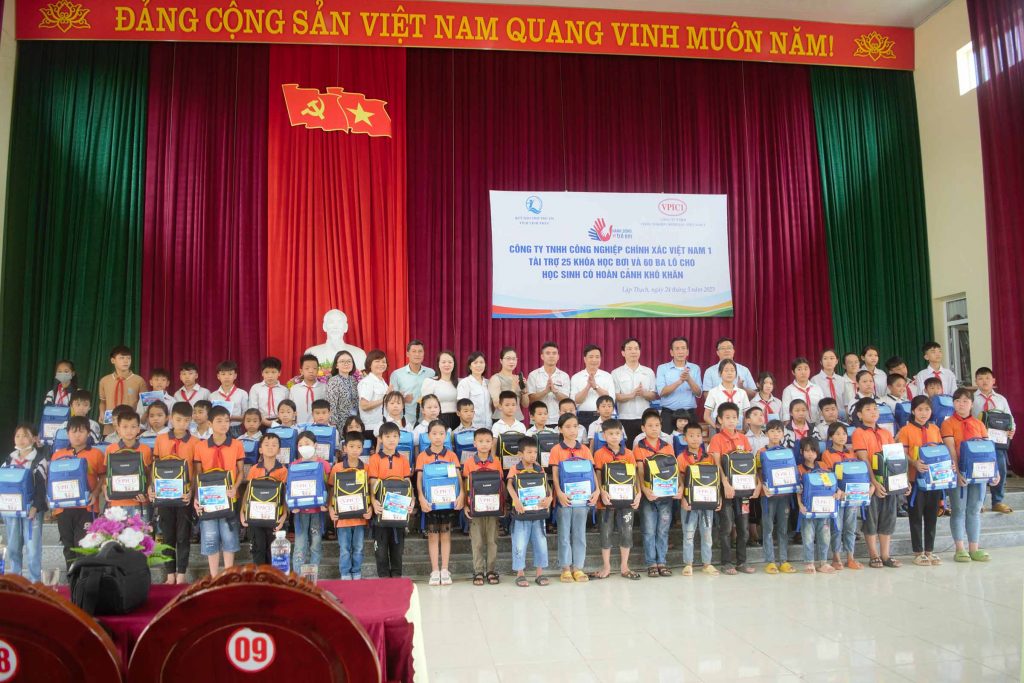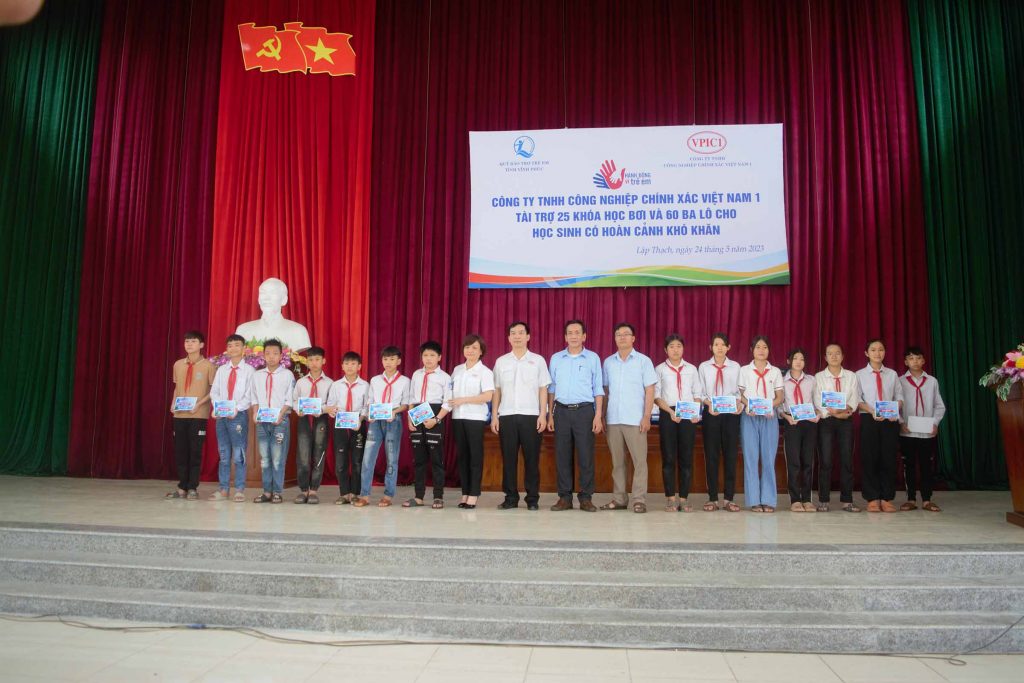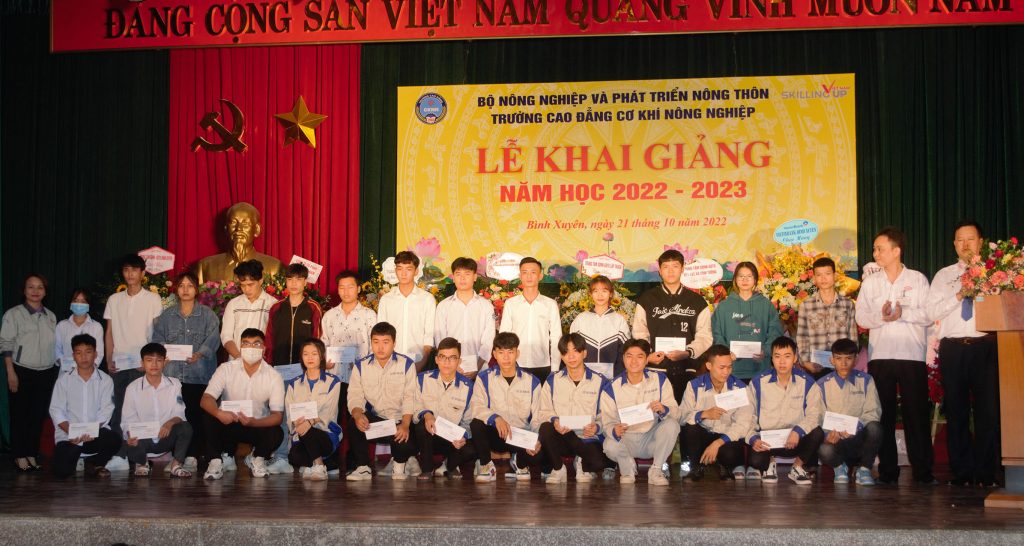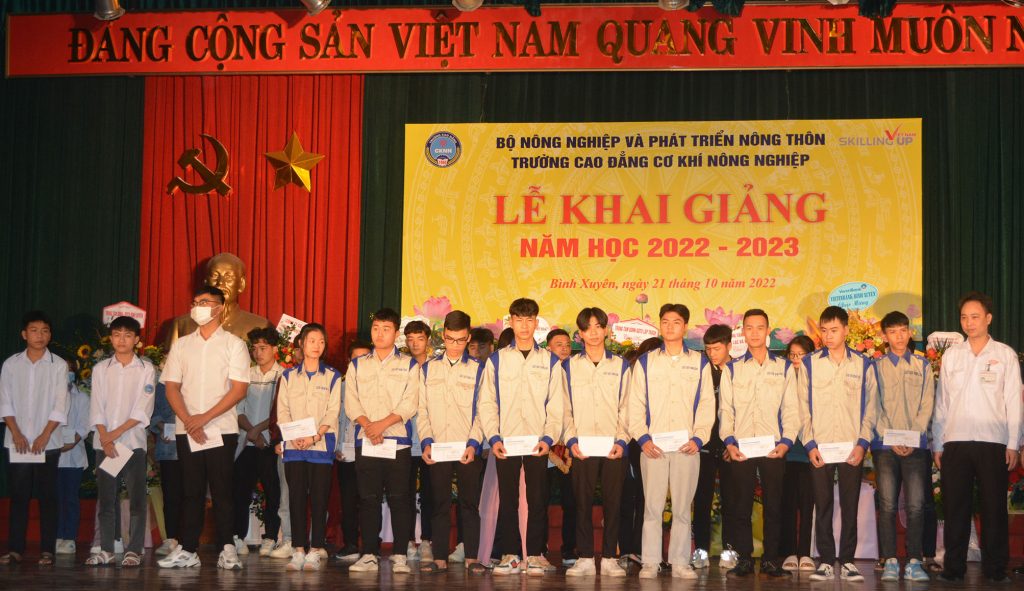
On the occasion of the new school year ceremony, VPIC1 visited and presented scholarships to the students at Vinh Phuc Technical – Technology College, Agricultural Mechanical Vocational Collage and Viet Xo Vocational College in the province. A total of 59 scholarships were awarded, each scholarship is 1000.000 VND
Social activities in the second quarter of 2025
In response to the children charity fundraising campaign initiated by the Department of Labor of Vinh Phuc Province, VPIC1 donated 24 bicycles to disadvantaged children in Binh Xuyen District. Joining this meaningful initiative, Diamond Company also contributed by donating an additional 6 bicycles.
Social activities in the first quarter of 2025
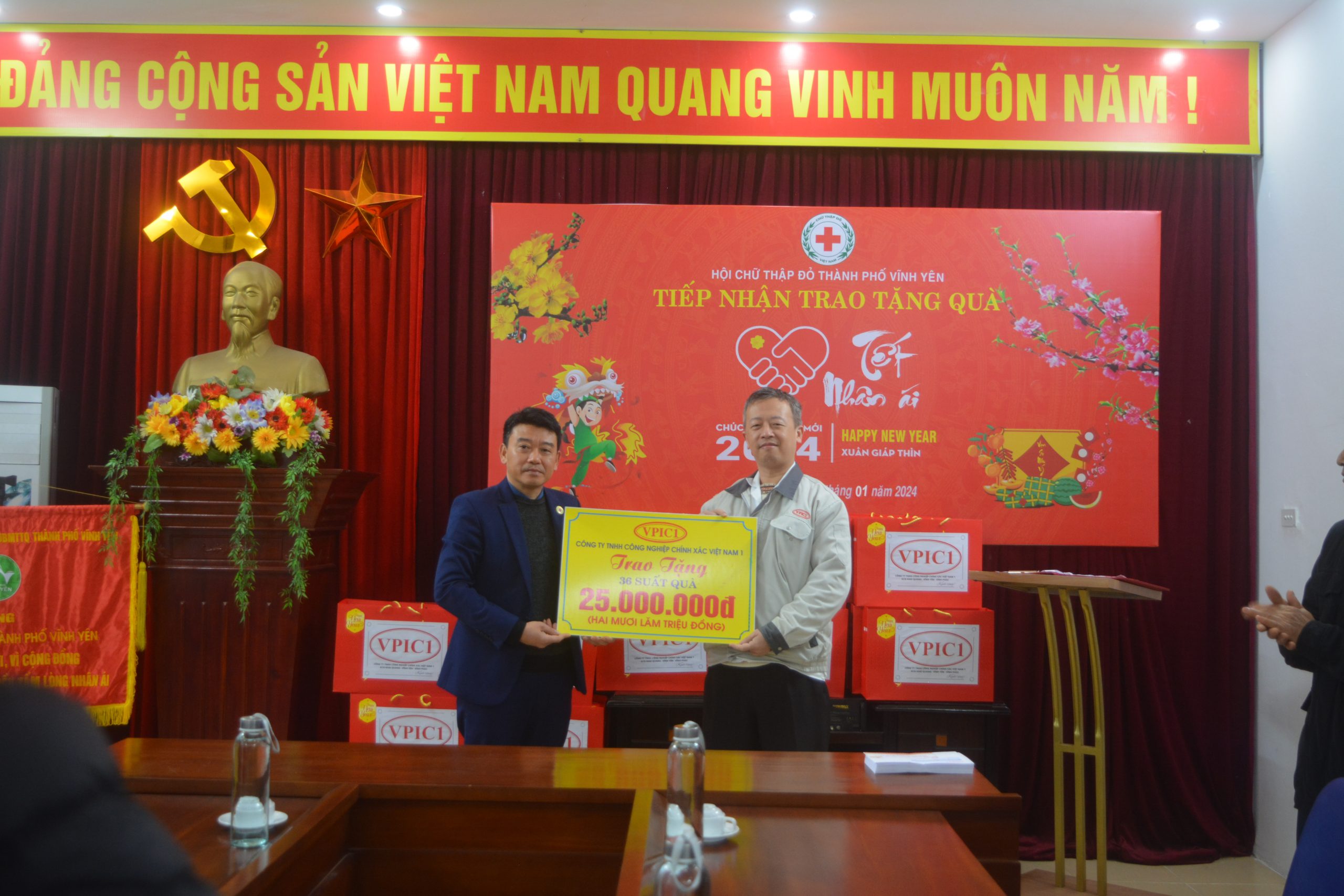
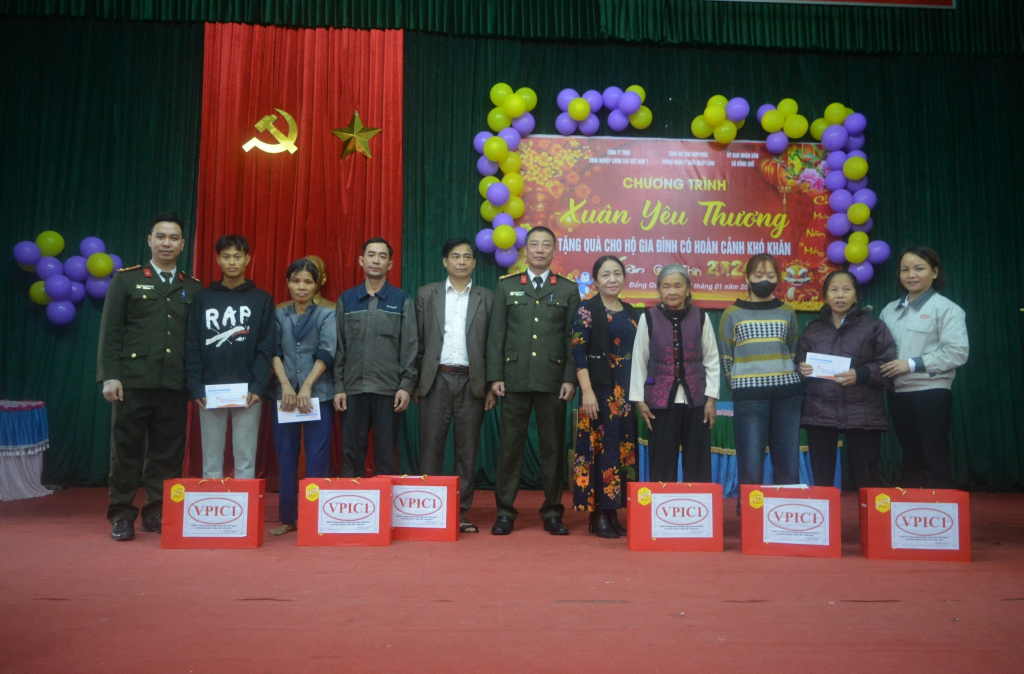
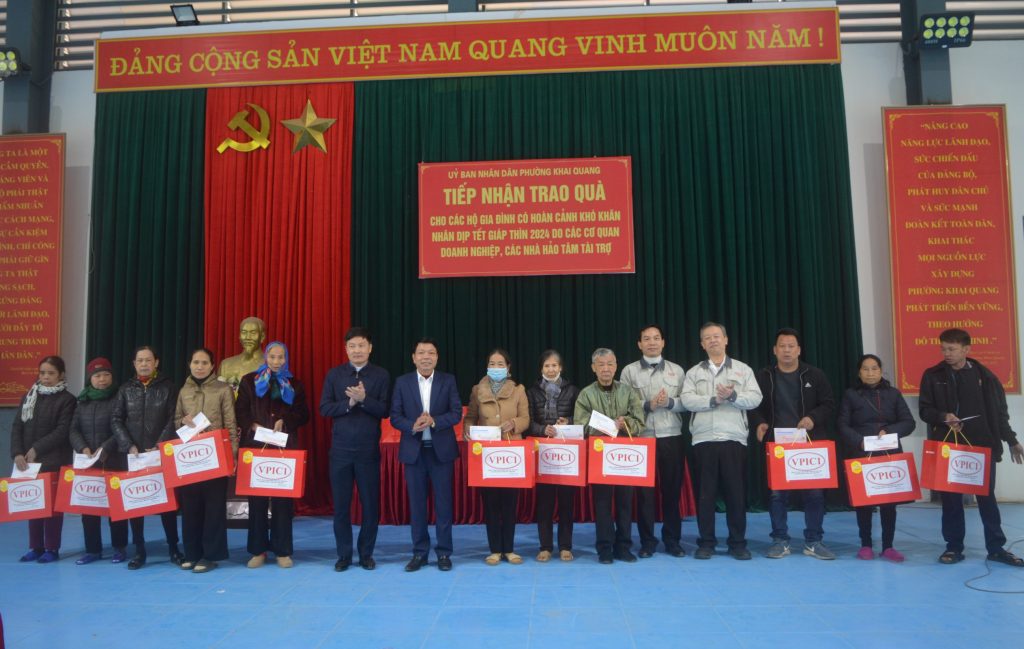
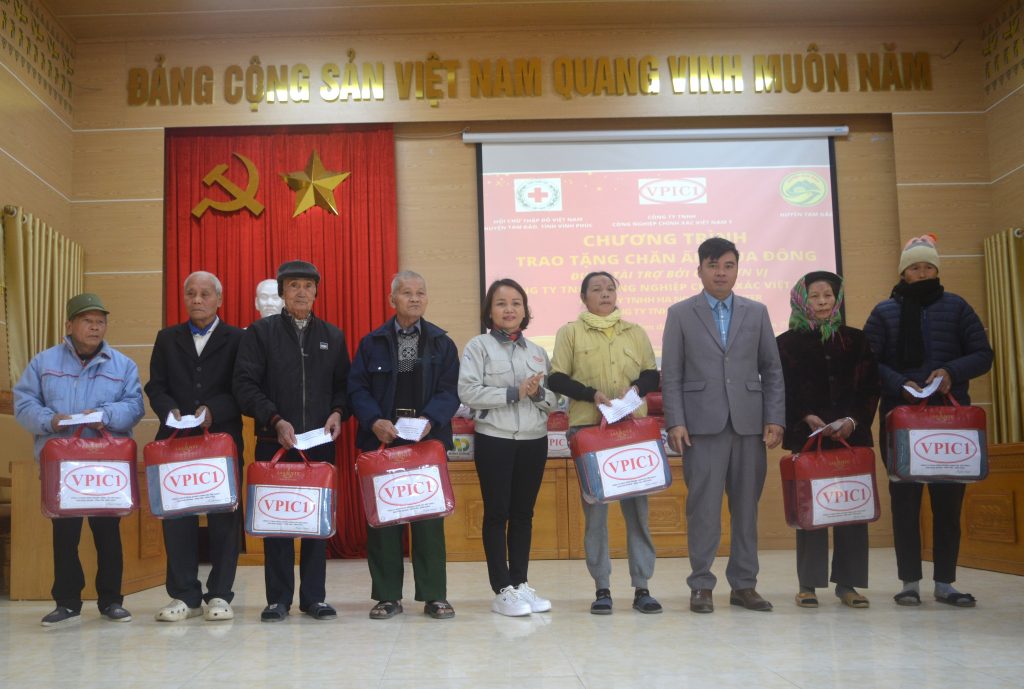
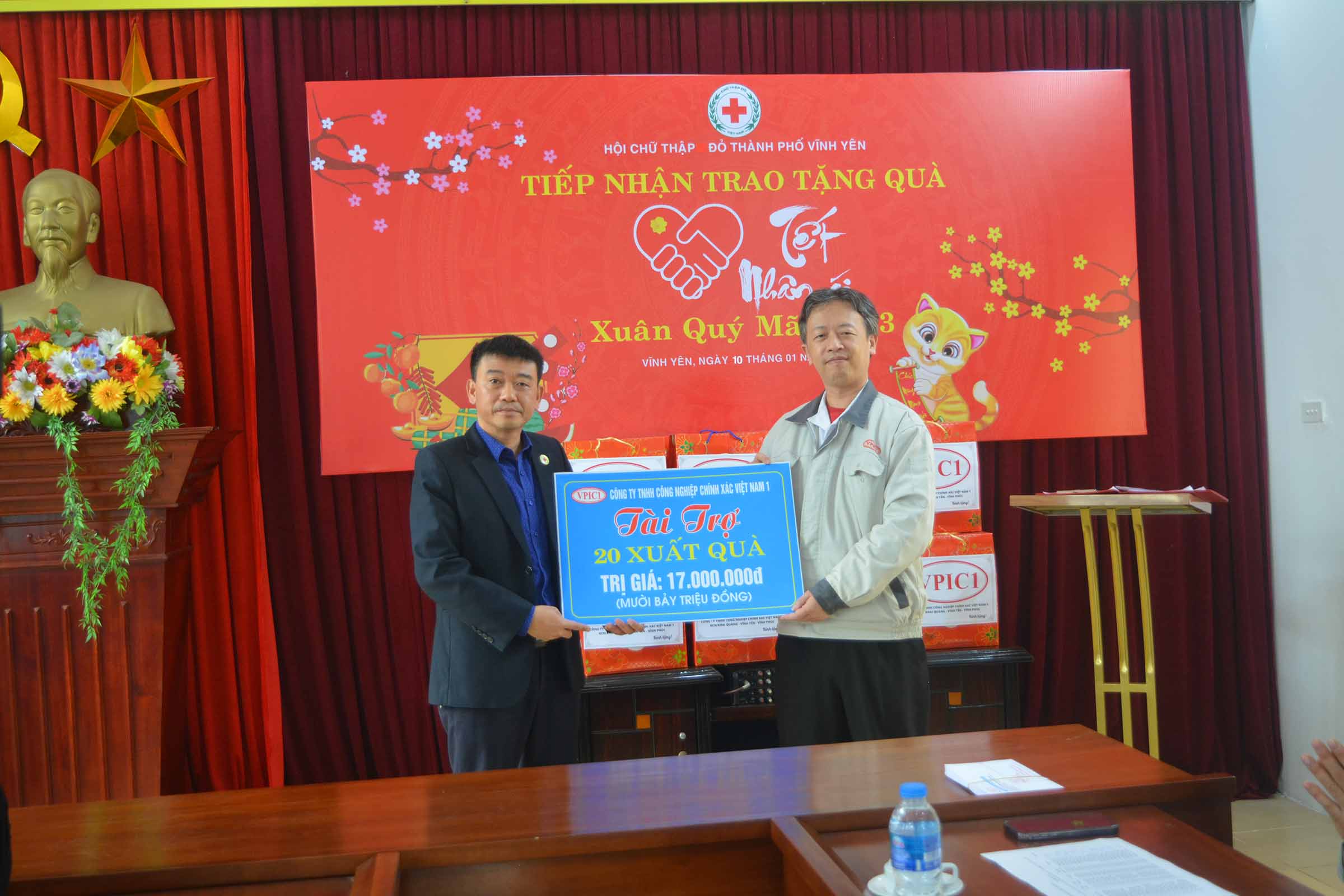
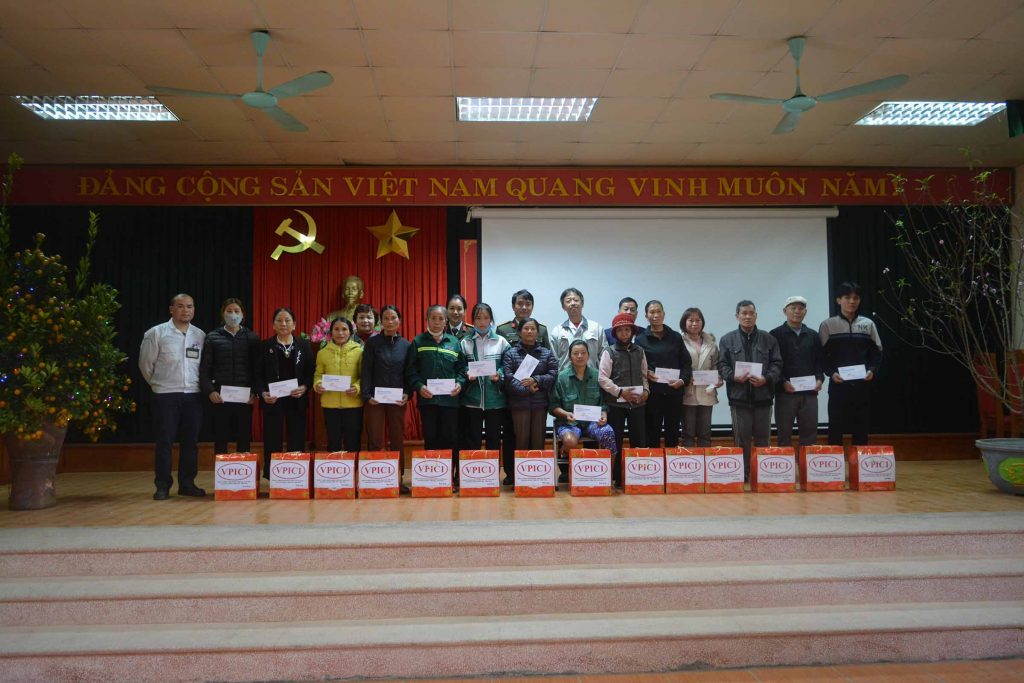
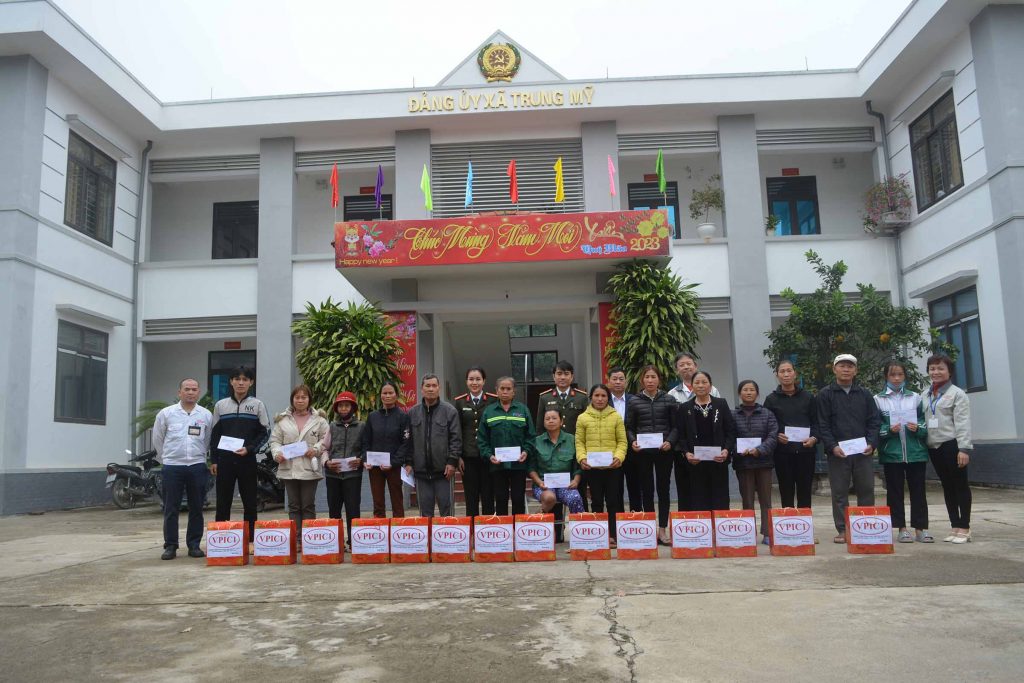
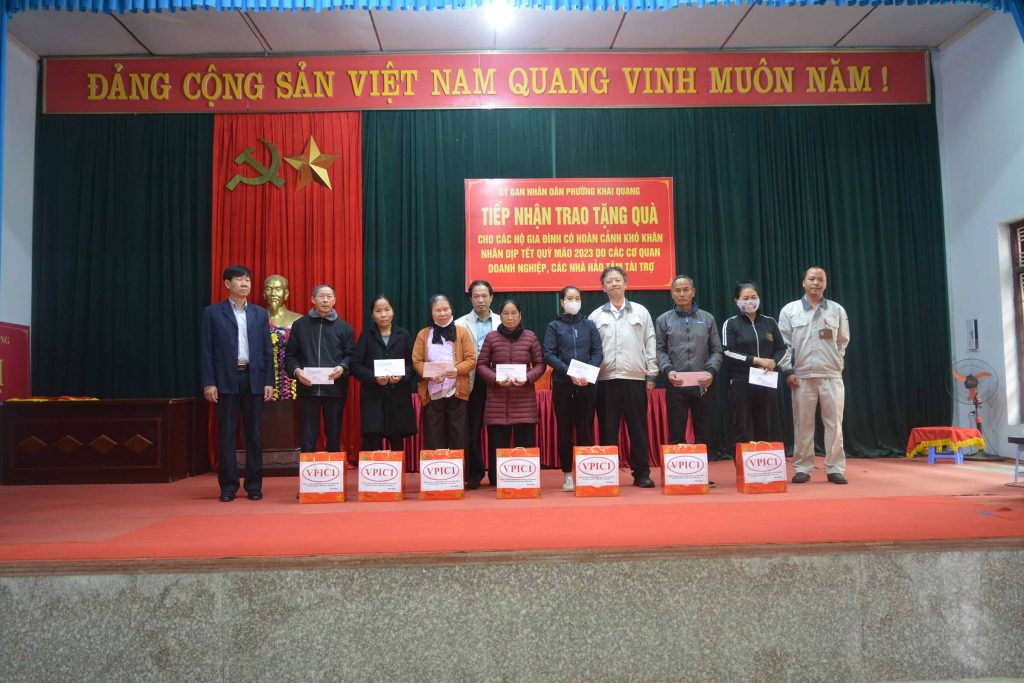
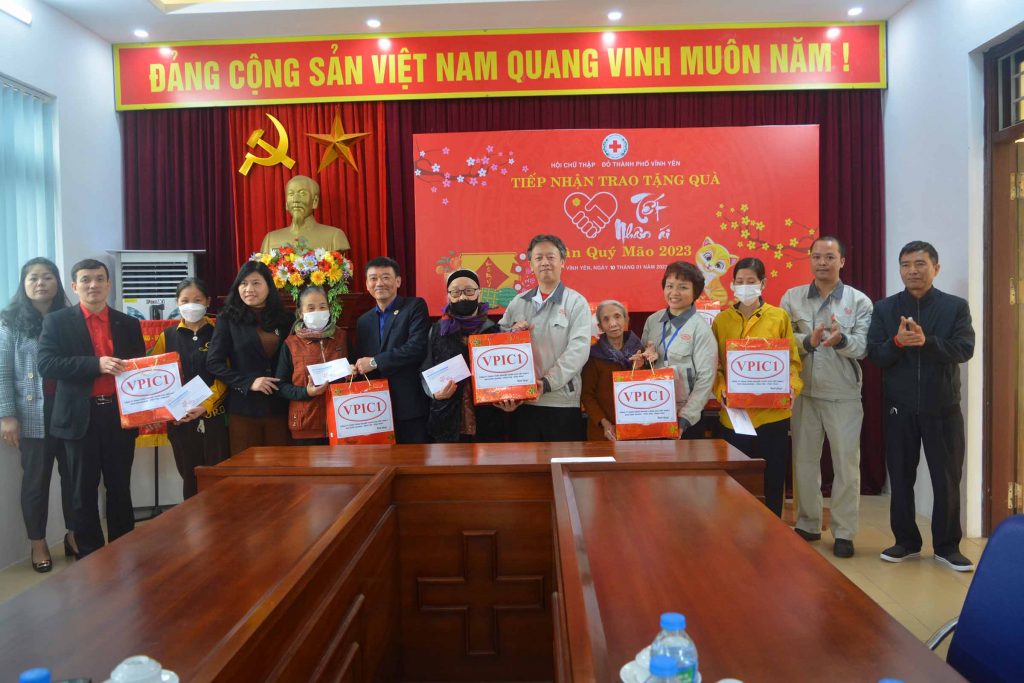
To send warm love for the New Year and spread the festive spirit of spring, the Company prioritizes households in the surrounding areas. On January 20, the company coordinated with local units to offer gifts and cash to 52 underprivileged households in Khai Quang Ward, Vinh Yen City, along with sincere wishes.
The Company places great emphasis on the physical and mental health and safety management of its employees. In addition to complying with legal requirements, the Company provides regular health check-ups and implements specialized medical examinations for employees engaged in special operations. The Company also cultivates safety awareness and promotes comprehensive health care, establishing a safe and healthy working environment to prevent occupational accidents and illnesses.
The right to life is far more important than the right to work, and occupational safety is the most critical working condition that the Company and its employees must jointly uphold. As an employer, all personnel act as company representatives coordinating with clients; therefore, detailed occupational safety and health management information is not disclosed at this time. The Company has established a Safety Office to implement the Occupational Health and Safety Management System. We comply with labor laws, fulfill our corporate responsibilities, and ensure the care and protection of employees. Safety and health/environmental policies, as well as labor safety and health regulations, have been established, and occupational safety and health meetings are held quarterly. Employees are expected to understand and comply with occupational safety and health regulations relevant to their own roles, ensuring their personal safety at work. The Company has obtained ISO 14001:2015 Environmental Management System and ISO 45001:2018 Occupational Health and Safety Management System certifications. In 2024, three safety and environmental procedures were newly established or revised. A management review meeting was held on July 6, 2024, and the Company successfully passed the external audit on July 26, 2024. These management systems cover 4,477 employees and 162 non-employee personnel. Procurement, development, construction, production, maintenance, and contracting activities all fully comply with ISO 14001:2015 and ISO 45001:2018 requirements.
Disasters are commonly perceived as unexpected and unplanned events. In the context of safety management, however, the concept of a disaster refers to the process from the root cause, through a sequence of events over time, to the resulting phenomenon or outcome. Given the complexity of plant equipment and frequent human-machine interactions, implementing autonomous safety inspections to prevent equipment failures and human errors has always been a critical workplace safety concern.
The Company conducts regular hazard identification and risk assessments in accordance with the “Hazard and Risk Assessment Procedure.” Potential occupational health and safety hazards associated with operational activities, products, and service processes are proactively and continuously identified and assessed. In 2024, 15 high-risk items were identified (including elevator/hoist cable or chain breakage, collisions, brake hooks contacting cables/chains, crushing, electric shocks, mold/spring/part ejection, etc.), 62 medium-risk items, and 17 low-risk items. These assessments allow the Company to evaluate health and safety risks and opportunities, aiming for zero accidents. Continuous hazard identification and risk evaluation help determine opportunities to eliminate or reduce safety and health risks, thereby implementing the safety and health policy and achieving continuous improvement.
Work environment monitoring is conducted to understand the actual conditions of employees’ work environments and to assess their exposure levels through planning, sampling, analysis, or instrument measurement. Appropriate strategies must be established to achieve these objectives. The Company monitors environmental factors such as noise, respirable dust, carbon monoxide, carbon dioxide, xylene, toluene, illuminance, humidity, and temperature, executing 767 measurement samples in total. Of these, 618 samples—including noise, respirable dust, oxygen, carbon dioxide, xylene, toluene, illuminance, humidity, and temperature—met the standards, while 47 noise, 13 illuminance, and 89 temperature samples were non-compliant. Immediate corrective actions were taken, including improving lighting and ventilation, and strictly requiring employees to use earplugs to reduce noise exposure.
The Company provides employees with earplugs and earmuffs and conducts regular specialized medical examinations to ensure proper care and protection for all personnel.
The Procedure of Risk Assessment
Prevention of Occupational Safety Impacts
The Company regards contractors as important work partners. To ensure the safety of contractor personnel, production sites implement measures in accordance with local occupational safety and health laws and related regulations. Contractor work plans are reviewed, and suppliers or clients entering the facility are required to wear safety protective equipment as stipulated. Various management mechanisms are promoted to enhance contractor safety, such as compliance with the Contractor Control Table requirements (including equipment operation training records and professional licenses) and regular or random inspections during the construction process to confirm work safety. A contractor qualification review system has been established, classifying contractors based on their service items to create a vendor registry. This system enables the procurement unit to proactively understand contractor sources while improving construction quality and occupational safety standards. Each production shift is assigned one safety officer responsible for checking equipment and fire safety according to established checklists. The Safety Office conducts weekly plant inspections, recording deficiencies and issuing reports for on-site correction, with follow-up verification. The Management Department also inspects one plant weekly, recording deficiencies and ensuring corrective actions are completed. In 2024, the Company conducted labor safety education and training for employees, covering general safety supervision, forklift operation, overhead crane operation, and hazard analysis management. A total of 11,978 training hours were delivered, with 5,064 participants, representing a 31% increase in training hours compared to 2023. In compliance with international regulations, customer requirements, and environmental trends, the Company maintains a registry for 236 chemical substances used in operations to ensure proper control and management.
Safety Dojo (Training Center)
The Company has established a Safety Dojo at the Baishan plant. The term “dojo” originates from Japanese and refers to a training place. The Safety Dojo has become an excellent venue for employees to learn numerous important safety courses. The training conducted at the dojo mainly covers safety, quality, and environmental protection. Safety Dojo education is an experiential safety education method. By simulating scenarios such as being stroked by objects, fingers being caught in a stamping press, and safety shoes being crushed, employees can effectively combine “listening, observing, and doing” through watching, participating, and experiencing. This helps them gain a deeper understanding of the dangers and consequences of safety incidents and enhances their awareness of the importance of safety on an emotional level.
Notification and Investigation Mechanism for Occupational Hazards
In accordance with local regulations, the Company supervises the investigation and handling of occupational accidents and compiles occupational accident statistics to monitor employees’ safety in real time. When an occupational accident occurs, the Safety Office immediately initiates an investigation, conducting analysis, handling the incident, and developing corrective measures. Regular safety and health communications are carried out to prevent similar incidents from recurring. In 2024, the Company recorded a total of six occupational accidents, primarily involving crush injuries. In addition to establishing relevant operating procedures and strengthening awareness campaigns, protective measures were installed on potentially hazardous equipment. All employee injuries were actively and properly addressed, and every effort was made to assist affected employees in returning to the workplace.
The Investigation Procedure for Occupational Injuries
The Investigation Procedure for Fire Accidents
The Investigation Procedure of Chemical Leaks Accidents
The Investigation Procedure of Food Poisoning Accidents
The Investigation Procedure of Contagious Diseases
The Company has established a comprehensive training program to support employees’ career development, ensuring that they not only perform their current roles effectively but also acquire the necessary skills for future promotions. The training is categorized into pre-employment training, pre-employment professional training, on-the-job training (including for senior management), and professional skills training. For site security, the Company engages a professional security service provider, deploying a total of 52 security personnel. The security company provides relevant training, including labor law, social insurance regulations, and other laws related to employees’ rights and interests. The Company places great emphasis on talent development and continuous on-the-job training, aiming to enhance employees’ overall competence and professional skills.
The Company conducts safety and health education and training for new employees, on-the-job safety and health training for supervisors performing special operations, fire safety lectures and practical exercises, as well as on-the-job occupational safety and health training for general personnel. Employees are also encouraged to participate in professional training courses based on their specific job functions to enhance their expertise. In 2024, the Company conducted human rights awareness training for employees, totaling 1,452 hours, with 1,217 new and existing employees completing the sessions (1,217 participant instances). Moving forward, the Company will continue to focus on human rights protection, promote relevant educational programs, and strengthen awareness to minimize the potential risks related to human rights issues.
On February 23, 2024, the Company visited the Director of the Counseling Center at Hanoi University of Industry, establishing a basic understanding between both parties. On March 15, a delegation of 15 professors from various departments visited the Company to explore potential collaboration on development projects, and a dedicated contact point will be established for future communication. On June 27, 2024, the Company visited Thai Nguyen University of Technology, a well-established industrial university in northern Vietnam with over 60 years of history and extensive cooperation with nearby Samsung facilities. During this visit, discussions included recruitment, scholarships to cover the full-year tuition for financially disadvantaged students, and various collaboration programs for offering in-company continuing education courses.
To provide junior high school students with concrete references for their future career choices, the Education Office of Yong’an City arranged factory visits. The Company participated in this initiative, hosting students from nine nearby junior high schools, totaling 140 students. The students observed production operations on-site and gained valuable insights from the experience.
Visit from the Faculty of Mechanical Engineering and Automotive Engineering, Hanoi University of Engineering
On March 30, the Company participated in a campus recruitment event organized by the university, which featured a total of 68 companies. Student attendance was enthusiastic, including not only graduating students but also many second- and third-year students seeking to understand industry job requirements. On December 8, the Company attended a campus recruitment fair at Hanoi Open University, which involved 25 companies and attracted over 1,000 students. Students showed strong interest in visiting the Company’s booth, contributing to enhanced corporate visibility and reputation.
The Company strives to foster harmonious labor–management relations and values employees’ right to express their opinions. When the number of employees meets legal requirements, VPIC1 establishes a labor union or convenes labor–management meetings in accordance with Vietnam’s labor laws to ensure smooth communication channels. All employees in Vietnam (100%) are members of the VPIC1 labor union. The union president serves as the employee representative, and regular meetings are held among management, the employer, and the union to ensure thorough communication. VPIC1 in Vietnam has also established a Safety and Environmental Committee responsible for supervising and improving occupational safety, health, and environmental activities. The Committee holds regular meetings. In 2024, the Safety and Environmental Committee convened four meetings, during which it discussed three environmental-related proposals and four occupational safety and health-related proposals.
On April 19, 2024, a Labor Conference was held in the Company’s training room, with a total of 92 participants, including company representatives, union representatives, and departmental representatives. In addition to reporting on the 2023 performance and the 2024 plans, representatives also raised various suggestions. The Company’s representatives responded to each item. The meeting proceeded harmoniously, with all parties approaching issues objectively and seeking appropriate solutions.
In addition, the Company holds monthly communication meetings with representatives of non-employee personnel to discuss their suggestions. This helps maintain effective communication channels and ensures that the Company listens to the opinions of all parties.
New Employees Gatherings
On February 26, March 30, and August 23 and 28, 2024, the Company organized orientation exchange sessions for 279 new employees who had joined in the previous quarter. During these sessions, the facilitator presented 13 common questions typically raised by new hires, and each group participated in a response activity. The Human Resources Department or labor union representatives subsequently provided the correct information and clarifications. This structured yet interactive format enhanced new employees’ understanding of the Company and supported their smooth integration into the workplace.
Minimum Notice Periods Regarding Operational Changes
The Company offers two types of employment contracts: fixed-term contracts and indefinite-term contracts. When either party intends to terminate the contract unilaterally, advance notice must be provided. The required notice period is 30 days for fixed-term contracts and 45 days for indefinite-term contracts.
The Company has established the Salary Management Regulations and conducts annual salary and benefits surveys to provide competitive compensation. Starting salaries are equal for men and women, exceeding the local government’s minimum wage requirements. Compensation and benefits are not differentiated based on gender, age, nationality, physical or mental disability, race, or any other condition. Contributions to retirement funds and other statutory benefits comply with legal requirements. In addition to legally mandated social, medical, and unemployment insurance, employees have regular opportunities for promotions and salary adjustments each year to reward outstanding performance. Based on company performance and individual achievements, monthly performance bonuses and year-end bonuses are also granted. These measures help employees recognize their value, enhance their sense of accomplishment, and promote diverse employment and social stability.
The Company, in fulfilling its corporate social responsibility, is committed to safeguarding the fundamental human rights of all employees, respecting their individuality, and creating a diverse and inclusive workplace. We support and adhere to internationally recognized human rights standards and principles, including the Universal Declaration of Human Rights, International Labour Organization (ILO) Conventions, and the United Nations Global Compact. We treat all current employees equally and with respect, comply with local labor laws, and establish management policies and procedures such as work regulations and occupational health, safety, and environmental management, ensuring that no human rights are infringed or violated. By fostering a diverse work environment, we aim to benefit employees, customers, and suppliers. We strive to create a workplace where employees are valued for their uniqueness, recognized for their diversity, and empowered to be themselves.
Our selected production sites are all located within industrial zones approved by local governments. These locations do not include protected habitats or high-biodiversity areas that are important to Indigenous peoples or local communities. Nevertheless, we remain committed to ecological preservation. With relatively large factory premises, we cultivate appropriate greenery within our facilities to enhance the environment and mitigate our environmental impact. We also reference the Biodiversity Risk Filter developed by the World Wide Fund for Nature (WWF) to assess the potential biodiversity impacts and dependency risks associated with our business operations. The results indicate medium to medium-low biodiversity risk levels.
To address waste management, the Company adopts a waste reduction-first approach, followed by classification and recycling, and finally waste disposal. Policies have been established for recycling resources such as water, electricity, and raw materials, with specific targets and implementation methods in accordance with ISO 14001, all disclosed on the Company’s website. The Company complies with government regulations and pays waste disposal fees as required under waste management laws. Waste generated from the Company’s operations primarily includes wastewater and waste liquids from the coating production lines. Oversight, management, and audits of waste disposal contractors are conducted through document reviews. In 2024, the Company generated 581.43 tons of general industrial waste, 12,962.50 tons of recyclable waste, and 4,077.03 tons of hazardous/dangerous/toxic waste. All waste is handled by qualified disposal contractors. Food waste from the employee cafeteria is collected by livestock industry contractors for recycling; this volume has not yet been included in statistics but will be added to recyclable waste counts in the future. The Company’s target for 2025 is to reduce hazardous waste by ≥3%, while the actual reduction achieved in 2024 was 19.17%. Starting in 2024, on-site inspections of hazardous waste disposal vendors have been conducted, including incineration of oil-contaminated rags, paint sludge, sanding belts, as well as disposal of waste liquids and fluorescent lamps.
Our water consumption is primarily for factory operations. Each year, we set a concrete target of reducing water usage by 2–3% and manage each production site accordingly. Domestic wastewater is recycled through RO treatment for reuse in irrigation and toilet cleaning. In 2024, 20,210 tons of wastewater were reclaimed and used as secondary water; for example, watering plants in the morning to reduce evaporation, and supplying water to fish tanks through a circulating system. To minimize unnecessary water waste, we also promote good water-use habits among employees, such as turning off taps immediately after use.